Composite Bonding in Dubai: Instant Smile Improvement in One Appointment

Repair Chips, Close Gaps and Reshape Teeth Without Drilling or Injections

Composite bonding is the most immediate cosmetic dental treatment available. A chipped tooth, a small gap, or an uneven edge that has bothered you for years can be corrected in a single appointment without removing any enamel, without injections in most cases, and without any laboratory wait. At Smile On Dental Clinic in Al Satwa, Dubai, composite bonding is performed by an experienced cosmetic dentist who sculpts the resin directly onto your teeth, matching the shade and shape of your natural enamel for a result that blends in completely.

This field is for validation purposes and should be left unchanged.
What Is Composite Bonding

What Is Composite Bonding?

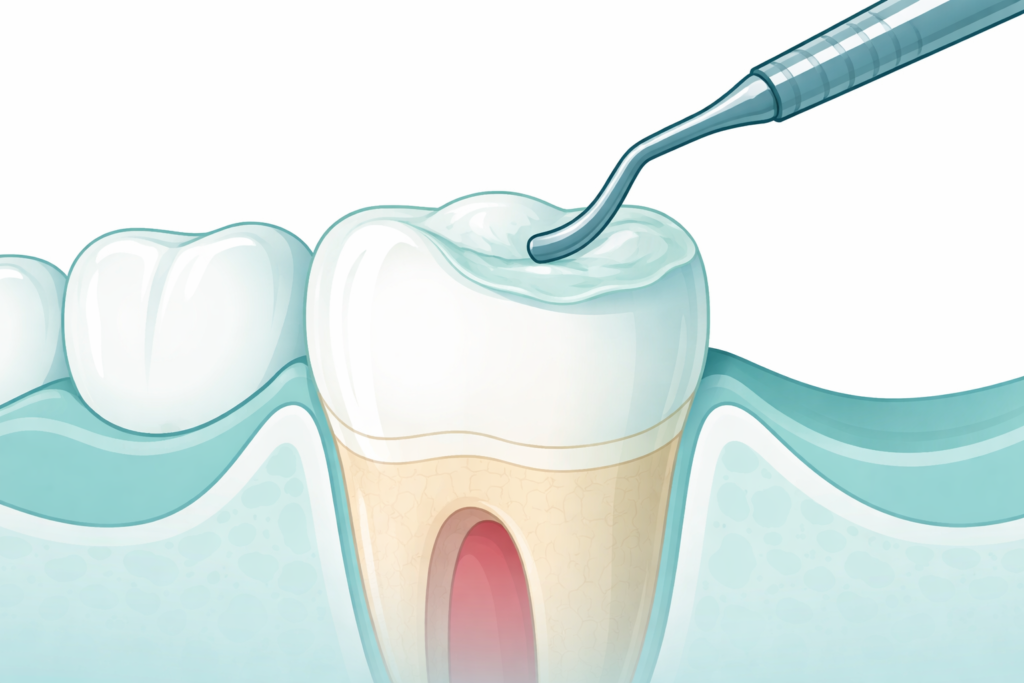
Composite bonding, also called dental bonding or tooth bonding, is a cosmetic dental procedure in which a tooth-coloured resin material is applied directly to the tooth surface, shaped by hand, and hardened using a curing light. The resin is matched precisely to the natural shade of your surrounding teeth so the result integrates seamlessly rather than standing out. Unlike porcelain veneers, composite bonding requires no laboratory fabrication, no tooth preparation in most cases, and no second appointment. The entire process is completed chairside in 30 to 60 minutes per tooth. Composite bonding is used for both cosmetic corrections and minor structural restorations, making it one of the most versatile and accessible treatments in cosmetic dentistry in Dubai.

What Composite Bonding Treats

Composite bonding addresses a wide range of cosmetic and minor functional concerns:

  • Chipped or fractured teeth where the break is visible but the tooth structure is otherwise sound
  • Small gaps between teeth, particularly the upper front teeth, that are too minor to require orthodontic treatment
  • Teeth that are slightly too short, giving a worn or aged appearance to the smile
  • Uneven edges or irregular shapes where one or more teeth look out of proportion with the surrounding smile
  • Surface discolouration or staining that cannot be lifted with professional whitening, including staining localised to one or two teeth
  • Exposed root surfaces caused by gum recession, where bonding protects sensitive dentine and improves appearance simultaneously
  • Minor misshapen teeth where the concern is aesthetic rather than structural

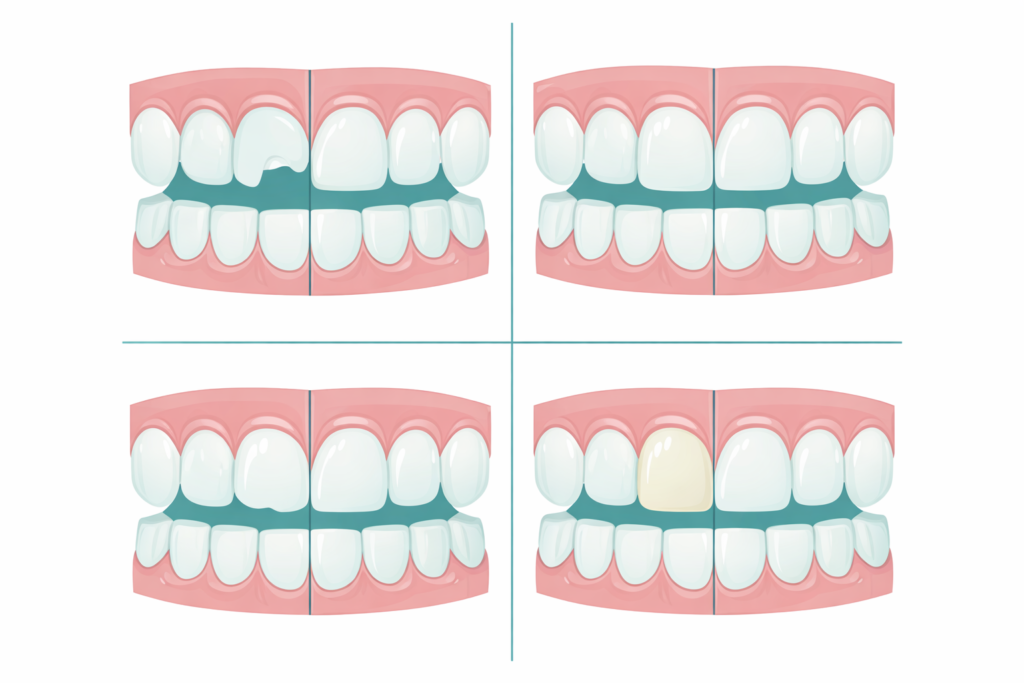
Composite Bonding Before and After: What Results Look Like

This is the section most patients are really looking for. Here is what realistic before and after outcomes look like for the most common composite bonding cases:

Chipped tooth repair. Before treatment, a chipped front tooth has a visible break that draws the eye immediately. After composite bonding, the chip is filled, the edge is rebuilt to match the original shape, and the surface is polished to the same level of shine as the surrounding enamel. Most people are unable to identify which tooth was treated. The result is immediate and the appointment takes under 45 minutes.

Gap closure. Before treatment, a visible gap between the upper front teeth creates an asymmetry in the smile. After bonding, resin is added to the sides of one or both teeth to reduce or close the gap. The proportional change can be significant even with a minimal amount of material. The key is distributing the addition across both teeth so neither looks artificially wider than the other.

Edge lengthening and reshaping. Before treatment, worn or uneven edges make the smile look aged or irregular. After bonding, each tooth edge is extended and reshaped individually to create a consistent, even smile line. This is often the most visually impactful composite bonding result for patients who have not had a visible chip or gap but simply feel their smile looks tired.

Stain or discolouration correction. Before treatment, a single tooth that is visibly darker or more yellow than adjacent teeth creates an imbalance. After bonding, a thin layer of resin in the correct shade covers the discolouration and restores consistency across the smile. This works well for individual teeth. For widespread discolouration, teeth whitening is a more appropriate starting point.

Composite Bonding Before and After

When Composite Bonding Is Not the Right Choice

Composite bonding is an excellent treatment for the right cases. Being clear about its limitations is just as important as explaining what it can do.

Bonding is not suitable for patients who grind their teeth heavily. The resin is not as strong as natural enamel under repetitive grinding forces and will chip or wear prematurely without a nightguard to protect it. If you grind, your dentist will discuss this at consultation and may recommend a nightguard as part of your treatment plan or suggest a more durable alternative.

Bonding does not correct significant misalignment, crowding, or bite problems. These are orthodontic concerns that require tooth movement rather than surface addition. Attempting to improve a significantly misaligned smile with bonding alone produces results that look unnatural and disproportionate.

Bonding does not whiten the surrounding natural teeth. If your composite is matched to teeth that are currently yellow or stained, and you whiten the surrounding teeth afterward, the bonded tooth will remain the original shade. If whitening is part of your plan, it should be completed before the bonding shade is selected.

For patients with multiple concerns or who want a result that lasts fifteen or more years, porcelain veneers offer greater durability and stain resistance. Composite bonding lasts three to eight years before touch-ups or replacement are typically needed. Your dentist will be honest about whether bonding is the most appropriate long-term solution for your specific case.

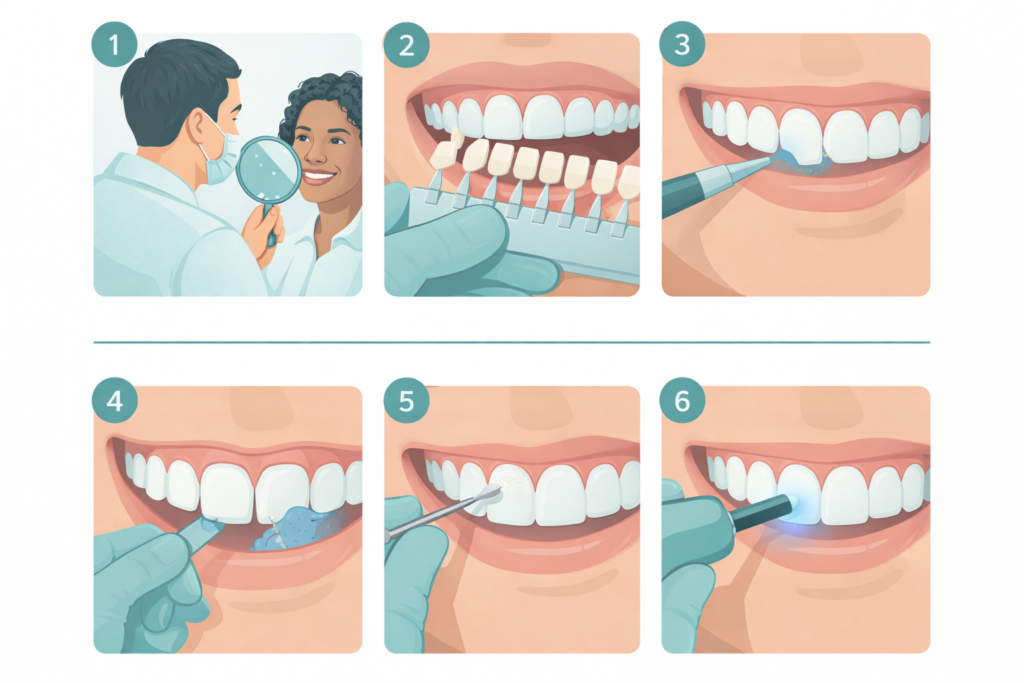
How Your Composite Bonding Treatment Works at Smile On Dental Clinic, Step by Step

  • Consultation and Smile Assessment

    Your dentist examines the teeth you want treated and assesses whether composite bonding is clinically appropriate. The discussion covers your concerns, your desired outcome, the number of teeth to be treated, and whether any preparatory treatment such as whitening should happen first.

  • Shade Selection

    A composite shade guide is used to identify the resin colour that most closely matches your surrounding natural teeth. For cases where bonding will cover a single discoloured tooth, multiple shades may be layered to create a gradient that looks natural under different lighting conditions.

  • Tooth Surface Preparation

    In most composite bonding cases no enamel is removed. The tooth surface is lightly conditioned using a mild etching agent that creates microscopic roughness for the resin to grip. A bonding liquid is then applied to prime the surface. This takes a matter of seconds and causes no discomfort.

  • Composite Resin Application and Sculpting

    The tooth-coloured resin is applied to the tooth in small increments and sculpted by hand using fine instruments. This is the most skill-dependent step. The dentist builds the desired shape, length, and edge detail layer by layer, continuously checking proportion and symmetry against the adjacent teeth.

  • Curing

    A high-intensity LED curing light is applied to each layer of resin to harden it. This takes seconds per layer and locks the material into its final state. Multiple thin layers cured individually produce a stronger, more durable result than one thick application.

  • Finishing, Shaping and Polishing

    Once all material is cured, the dentist refines the shape, checks the bite, removes any excess, and polishes the bonded surface to a natural shine. This step distinguishes skilled cosmetic bonding from a basic repair. A well-polished composite surface reflects light in the same way as natural enamel and is essentially invisible.
How to Care for Composite Bonding

Composite bonding lasts three to eight years with proper care. These practical steps protect the result and push the lifespan toward the longer end of that range.

Avoid biting directly into hard foods with the bonded teeth. Crusty bread, raw carrots, hard nuts, and ice all apply concentrated force that composite resin is not designed to absorb in the same way as natural enamel. Cut hard foods into smaller pieces rather than biting into them directly.

Avoid habits that put sustained pressure on the bonded surface. Pen chewing, nail biting, and using teeth as tools all gradually damage the edges of composite restorations.

Reduce consumption of heavily staining food and drinks. Composite resin is more porous than porcelain and will pick up staining from coffee, tea, red wine, and turmeric over time. You do not need to eliminate these entirely, but drinking through a straw and rinsing with water after consuming them noticeably extends the time before staining develops.

Brush with a non-abrasive fluoride toothpaste. Whitening toothpastes with aggressive abrasive particles scratch the polished composite surface, dulling its appearance and increasing susceptibility to staining. A standard fluoride toothpaste is preferable.

Attend your six-monthly professional cleaning appointments. Professional polishing maintains the surface finish of the bonding and allows your dentist to identify any early signs of edge chipping or wear before they become a visible problem. Minor touch-ups at this stage cost a fraction of a full replacement.

If you grind your teeth at night, a custom nightguard is the most important investment you can make in protecting composite bonding. Without one, even well-placed bonding on a grinding patient is likely to need replacement significantly sooner than the standard lifespan.

How Your Composite Bonding Treatment Works at Smile On, Step by Step

Why Choose Smile On Dental Clinic for Composite Bonding in Dubai

Same-day results, no waiting. Composite bonding at Smile On Dental Clinic is completed in a single appointment in most cases. You arrive with the concern and leave with it corrected. There is no laboratory wait and no second visit required for straightforward cases.

Experienced cosmetic dentist. The quality of composite bonding depends almost entirely on the skill of the clinician doing the sculpting. At Smile On, bonding cases are handled by a dentist with dedicated experience in cosmetic work. The shade matching, layering, and polishing are treated as precision cosmetic procedures, not quick repairs.

Centrally located in Al Satwa, Dubai. Smile On Dental Clinic is accessible from across central Dubai and from Abu Dhabi without the pricing premium that comes with clinic locations in Marina, DIFC, or Downtown. The composite bonding teeth cost at Smile On reflects the Al Satwa location without any compromise on material quality.

Conservative approach by default. Composite bonding at Smile On Dental Clinic is applied additively in nearly all cases. No enamel is removed unless clinically necessary, preserving the maximum amount of natural tooth structure.

Upgrade path available. If your goals evolve beyond what bonding can deliver, the full range of cosmetic treatments including porcelain veneers, Digital Smile Design, and teeth whitening is available within the same clinic.

What Affects Composite Bonding Teeth Cost in Dubai?

The price of composite bonding varies based on several key factors:

Number of teeth treated. A single chipped tooth is priced differently from a six-tooth edge lengthening and reshaping case. Cost is broadly proportional to the number of teeth and the total clinical time involved.

Complexity of the case. A straightforward chip repair takes under 30 minutes. A full smile refinement involving multiple teeth with precise layering, shade matching, and symmetry checking takes two to three hours of skilled clinical time. The complexity directly affects the fee.

Material quality. Premium composite resins produce better aesthetic results, greater colour stability, and longer-lasting polish than lower-grade alternatives. The material cost is reflected in the overall treatment price.

Whether preparatory treatment is needed. If teeth whitening is recommended before bonding shade selection, this is an additional cost quoted and agreed separately before treatment begins.

Clinic location in Dubai. Clinics in high-rent areas of Dubai charge higher baseline fees. Al Satwa is a central but more accessible area, and Smile On Dental Clinic composite bonding cost reflects that without compromising on clinical quality or material choice.

Book a consultation at Smile On Dental Clinic for a clear, itemised quote before any treatment begins.

What Our Patients Have to Say

Our Latest Blogs

  • All Posts
  • Dental
  • Dental Implants
  • Invisalign
  • PROSTHODONTICS
Load More

End of Content.

Book your composite bonding consultation at Smile On Dental Clinic, Al Satwa, Dubai!

Frequently Asked Questions About Composite Bonding in Dubai

Composite bonding is a cosmetic dental procedure where tooth-coloured resin is applied directly to the tooth, shaped, and polished in a single appointment without removing enamel. It corrects chipped teeth, gaps, uneven edges, minor shape irregularities, localised discolouration, and exposed root surfaces. It is the fastest and most conservative cosmetic treatment available for minor smile improvements.

Composite bonding typically lasts between three and eight years before touch-ups or replacement are needed. The lifespan depends on how many teeth are treated, where the bonding sits, your bite, whether you grind your teeth, your diet, and your oral hygiene habits. Patients who avoid hard biting, limit staining drinks, brush with a non-abrasive toothpaste, and wear a nightguard if they grind consistently reach the longer end of this range.

Composite bonding teeth cost in Dubai varies based on the number of teeth treated, the complexity of the case, and the amount of resin and sculpting time required. Single-tooth bonding for chip repair typically ranges from AED 500 to AED 1,200 per tooth. Multi-tooth smile refinement cases range more broadly depending on how many teeth are involved. Contact Smile On Dental Clinic for a personalised quote at your consultation.

Yes. Composite bonding is a standardised cosmetic dental procedure and the treatment itself is identical regardless of where in the UAE it is performed. What varies between clinics and between cities is the skill level of the cosmetic dentist, the quality of the composite material used, and the clinical time dedicated to shade matching and sculpting. Smile On Dental Clinic in Al Satwa, Dubai is accessible to patients from Abu Dhabi seeking a centrally located, experienced cosmetic dentist for bonding treatment.

No. Composite bonding is additive in most cases, meaning material is added to the tooth surface without removing any natural enamel. It is the most conservative cosmetic dental treatment available. The mild etching applied to prepare the bonding surface does not damage the underlying tooth structure. Bonding actually provides some protective cover to exposed or sensitive tooth surfaces and does not weaken the tooth underneath.

Yes, over time. Composite resin is more porous than porcelain and will absorb staining from coffee, tea, red wine, and tobacco at a faster rate than natural enamel or porcelain veneers. The degree of staining depends on your dietary habits and how regularly you have the bonding professionally polished. Good oral hygiene and routine cleaning appointments significantly slow staining development. If staining does develop, it can often be polished out at a routine appointment before a full replacement is needed.